
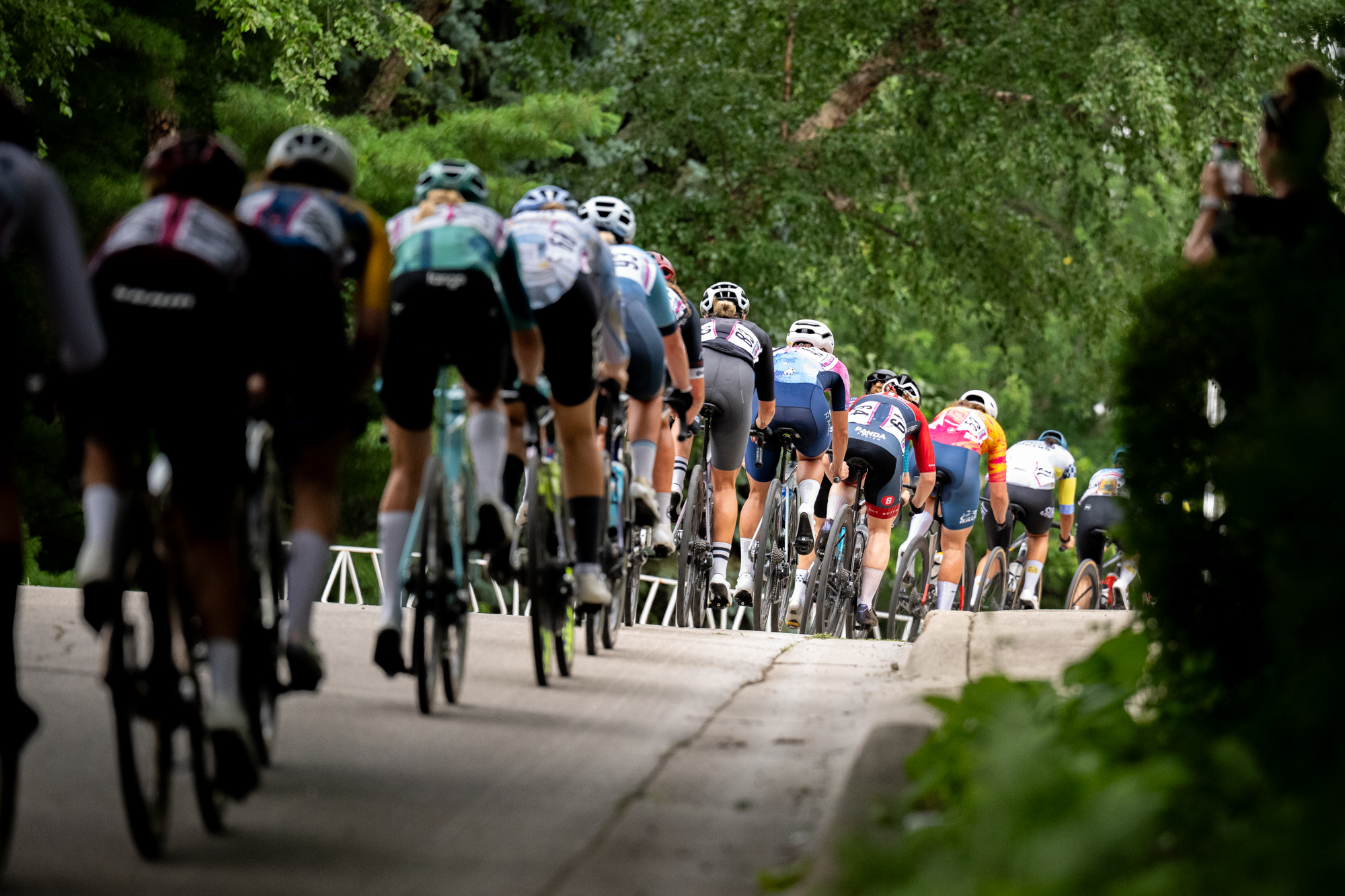
It’s race season again, and I am lucky enough to get to see my son participate in the thrill and challenge of criterium racing. This past weekend after coming down from the extreme high of watching him sprint across the finish line, I walked back to my car. I passed cyclists cooling down from their race and others getting ready for theirs, and I noticed that all around me were stories. Cyclists were telling their stories, stories of past racing experiences, stories about the race they just finished, stories about what was to come in the future. I realized at that moment that racing at this level, this pace, this intensity is risky, even though it is a chosen and calculated risk. It is a risk nonetheless, and, like any other risky situation we experience as humans, telling our story is a beautiful way to process and integrate the experience so we are able to get back on the horse of life or, in this case, back on the bike.
When you listen to cyclists after a race they share their experiences. They recount their bike handling at almost every corner, a place where they almost fell, a time another racer did something that seemed sketchy, a time that they felt disappointed, a moment in which they could barely breath. They recount the weather and how it impacted their performance, they check their stats and how they compared to their stats in previous races, they check on the results of the race and the omnium. You hear racers express anger, acceptance, and optimism.
This past race, there was a crash right in front of me and while my husband went to get this fallen cyclist some water, the cyclist turned to me and told me his story. His wheel had skidded over the manhole cover. The first thing he needed to do after removing himself from the course, before he received medical care, before he hydrated, was to tell his story. I listened and thought, again, how much there is to learn from these athletes. They maneuver as a group through winding roads and also as individuals with their own stories of past experiences, with their hopes for the future and their almost unworldly ability to stay completely present for 60 minutes of harrowing, character building, thrilling, yet grounded racing. They finish these experiences and share their stories with each other; they listen to each other and then they get back on their bikes and race the very next day.
Storytelling has been around since the beginning. It has always been how we as humans share knowledge, process feelings, and survive oppression. We tell stories to other humans who hear them and hold them and, in that process, help us keep going, surviving, reaching, and being.
Therapy can also be part of that process. Therapy is essential when people are in crisis or experiencing symptoms of great distress, and it can also be essential to everyday existence. As a therapist it is my privilege to be deeply engaged in the process of hearing people’s stories, holding them, and witnessing them.
Because we all should have the chance to tell our stories at the end of each day, after each risk, after each turn in the road. We all could learn from the cyclists who, like our ancestors before us, have made story telling part of the ritual of life.
Leave a Reply